TRIUMPH 2070991 Adventurer Rear Fender Mud Guard Wheel Tire Cover
fits model: 900. make: Triumph. year: 1996–2001.
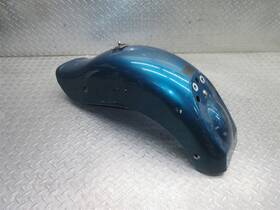
( Manufacturer Part Number: 2070991 ), ( Part Type: Guard Cover Fender Wheel Tire )
Review TRIUMPH Adventurer Rear Fender Mud Guard Wheel Tire Cover fits 900 1996–2001
The **Triumph 2070991 1996 1997 (96-01) Adventurer 900 Rear Fender Mud Guard Wheel Tire Cover** is a meticulously crafted, high-performance aftermarket accessory designed to enhance both the functionality and aesthetic appeal of your classic Triumph Adventurer 900. Engineered to fit the specific contours of the 1996 to early 1997 model year, this rear fender mud guard and tire cover is constructed from durable, weather-resistant materials that combine practicality with a sleek, sporty look. The mud guard is designed to deflect road debris, mud, and water away from the wheel and tire, protecting both the fender and the surrounding components from premature wear and corrosion. Its aerodynamic shape ensures minimal drag while maintaining a clean, aggressive stance that complements the Adventurer s bold, adventure-ready styling. The tire cover, often referred to as a "wheel skirt" or "wheel arch protector," is crafted to shield the lower fender and tire from dirt, gravel, and minor impacts, extending the life of your rubber and metal components. Made from a blend of reinforced rubber and durable synthetic materials, this cover is resistant to UV degradation, cracking, and abrasion, ensuring long-term durability even under harsh riding conditions. Whether you're tackling rough backroads, exploring off-road trails, or cruising through wet weather, this set provides an extra layer of protection without compromising the bike s performance or handling. The precise fitment ensures easy installation and removal, making it a hassle-free upgrade that enhances both the practicality and the visual appeal of your Triumph Adventurer 900. Perfect for riders who demand reliability and style, this mud guard and tire cover is an essential accessory for anyone looking to preserve their bike s condition while maintaining its iconic, rugged charm.
Buying a **Triumph 900 Adventurer (1996-01, model number 2070991) with a rear fender mud guard, wheel tire cover, and original parts** involves several considerations. Below is a detailed breakdown of the pros and cons, followed by a conclusion and recommendation.
---
### **Pros**
1. **Classic Design and Reliability**
The Triumph 900 Adventurer is a well-regarded adventure bike from the late 1990s, known for its durable frame, solid engine, and timeless styling. It was designed for long-distance touring and off-road use, making it a practical choice for riders who appreciate a blend of comfort and capability.
2. **Proven Engine and Performance**
The 888cc parallel-twin engine (later models may have slight updates) is robust and capable of handling highway speeds and rough terrain. With proper maintenance, it can last well beyond 20,000 miles, especially if the bike has been well cared for. The engine is also relatively easy to work on, with a reputation for reliability in its class.
3. **Touring and Adventure Capabilities**
The Adventurer was built with touring in mind, featuring a comfortable riding position, adequate storage (panniers can be added), and a sturdy frame. The suspension (if in good condition) can handle both paved roads and light off-road trails, making it versatile for different riding styles.
4. **Aftermarket Support and Parts Availability**
As a classic bike from the late '90s, parts are still widely available, especially for common models like the Adventurer. Triumph has been around for decades, and many dealers, online retailers, and enthusiast groups stock original or aftermarket components. This makes repairs and upgrades more accessible than for some older or niche bikes.
5. **Potential for Restoration or Customization**
If the bike is in rough condition, it can be a project bike for those interested in restoration. The Adventurer s design lends itself well to customization, whether you want to modernize the electronics, upgrade the suspension, or simply refresh its appearance. Many riders enjoy the hands-on aspect of working on a Triumph from this era.
6. **Lower Purchase Price Compared to New or Modern Adventure Bikes**
A well-maintained 1996-01 Adventurer will typically cost significantly less than a new or even a used modern adventure bike (e.g., BMW GS, Honda Africa Twin, or Royal Enfield). This makes it an attractive option for budget-conscious buyers who still want a capable touring bike.
7. **Community and Enthusiast Appeal**
Triumph s classic models have a dedicated following, with forums, clubs, and meetups where owners share tips, modifications, and maintenance advice. This community can be invaluable for troubleshooting, finding parts, or simply enjoying the riding experience with like-minded individuals.
8. **Original Accessories (Rear Fender Mud Guard, Wheel Tire Cover)**
The inclusion of original or high-quality aftermarket accessories like a rear fender mud guard and wheel tire cover suggests the seller has taken care to maintain the bike s functionality and appearance. These parts help protect the bike from road debris and weather, which is especially useful for touring or off-road riding.
---
### **Cons**
1. **Age and Wear-and-Tear Risks**
A 1996-01 bike is now over 25 years old, which means it may have accumulated significant mileage or wear on critical components such as the engine, suspension, brakes, and drivetrain. Rust, worn-out seals, or outdated parts (e.g., carburetors, wiring) could require costly repairs if the bike hasn t been properly maintained.
2. **Outdated Technology**
The Adventurer lacks modern conveniences found on newer adventure bikes, such as:- **Digital instrumentation** (early models likely have analog gauges).
- **Fuel injection** (most 1996-01 models use carburetors, which can be finicky and less efficient than modern fuel-injected engines).
- **Advanced suspension systems** (early models may have basic springer forks and rear shocks, which may not handle modern riding styles as well).
- **Modern braking systems** (early ABS or advanced disc brakes are absent; rely on drum brakes or basic discs).
This can make the bike feel less refined or less capable on long tours compared to newer models.
3. **Maintenance and Upkeep Costs**
While parts are available, labor costs for repairs (especially if you don t DIY) can add up. Older bikes may require more frequent maintenance, such as:
- **Carburetor tuning** (if not converted to fuel injection).
- **Chain and sprocket replacements** (wear is more pronounced on older bikes).
- **Brake pad and rotor replacements** (older materials may wear faster).
- **Electrical system updates** (wiring harnesses, switches, and lighting may need attention).
If the bike has been neglected, these costs could be prohibitive.
4. **Fuel Efficiency and Emissions**
The parallel-twin engine is thirsty by modern standards, especially when compared to today s fuel-injected, turbocharged, or more efficient engines. Expect around **40-50 mpg** (varies by riding style), which is decent but not as efficient as newer bikes. Additionally, older bikes may not meet current emissions standards, though this is less of an issue for personal use.
5. **Comfort and Ergonomics**
While the Adventurer s riding position is comfortable for its time, it may not suit riders with modern ergonomic preferences. The handlebars, seat, and footpegs are designed for a more upright or slightly forward-leaning posture, which some riders find less aggressive or less comfortable than the more forward-leaning positions of modern adventure bikes.
6. **Resale Value**
Classic Triumphs hold some value among enthusiasts, but the Adventurer s resale potential is limited compared to newer or more popular models. If you plan to sell it later, you may not recoup a significant portion of your initial investment.
7. **Potential for Hidden Issues**
Without a thorough inspection (or a detailed service history), hidden problems could arise. Common issues to watch for include:- **Rust in the frame or suspension** (especially if the bike was stored in wet conditions).
- **Worn-out bearings or bushings** in the swingarm or steering head.
- **Leaking seals or hoses** (coolant, oil, or brake fluid).
- **Faulty electrical components** (ignition, lights, or switches).
A pre-purchase inspection by a mechanic familiar with Triumphs is highly recommended.
8. **Limited Modern Safety Features**
Early models lack modern safety features such as:- **ABS (Anti-lock Braking System)**.
- **Traction control or slipper clutches**.
- **Advanced rider aids** (e.g., fuel gauge, trip computer).
While these aren t dealbreakers, they can make the bike feel less safe or less capable in challenging conditions compared to newer bikes.
---
### **Conclusion**
The **Triumph 900 Adventurer (1996-01) with original rear fender, mud guard, and wheel tire cover** is an attractive purchase for riders who appreciate classic adventure bikes, enjoy hands-on maintenance, or are looking for a budget-friendly touring option. Its strengths lie in its reliability, durability, and the joy of riding a well-built machine from an era when adventure bikes were designed with simplicity and practicality in mind.
However, the bike s age and outdated technology mean it will require more attention than a modern adventure bike. If you re willing to invest time and effort into maintenance, upgrades, or restoration, the Adventurer can be a rewarding and capable companion for long-distance riding. On the other hand, if you prioritize modern conveniences, fuel efficiency, or low-maintenance ownership, a newer adventure bike may be a better fit.
---
### **Recommendation**
**Buy the Triumph 900 Adventurer if:**- You are an experienced rider comfortable with maintenance and minor repairs.
- You appreciate classic design and don t mind trading off some modern conveniences for a more traditional riding experience.
- You plan to use the bike for touring, commuting, or light off-road riding and are prepared to invest in upgrades (e.g., fuel injection, suspension, brakes) to improve its capabilities.
- You find the bike s price point attractive and are okay with the potential for higher long-term costs if maintenance is neglected.
- You enjoy the Triumph community and the satisfaction of restoring or customizing a classic bike.
**Avoid the Triumph 900 Adventurer if:**- You prioritize modern technology, fuel efficiency, or low-maintenance ownership.
- You lack mechanical skills or the time to dedicate to regular maintenance and repairs.
- You plan to ride primarily in harsh conditions (e.g., extreme off-road or winter riding) without upgrading the bike s components.
- You re looking for a bike that will hold its value well or require minimal future costs.
- You prefer a more aggressive riding position or advanced safety features found on newer adventure bikes.
**Final Advice:**If you decide to proceed with the purchase, **inspect the bike thoroughly or have a mechanic check it** before buying. Pay close attention to the engine (compression, leaks, noise), suspension (play in forks or shocks), brakes (pad wear, rotor condition), and frame (rust, cracks). Consider upgrading critical components like the carburetors (to fuel injection if possible), brakes, and suspension to modern standards
Details:
OFFICE USE: LTR-DH 05/26 96TRIUMPHADV900-042664.
part #: 2070991 price
- $55.79
specifications febocy:
- for models: 900
- for makes: Triumph
- for years: 1996-2001
- mpn: 2070991
- part type: Guard Cover Fender Wheel Tire
payments febocy:
- other
- wallet: Paypal
- credit card: Mastercard
- cash
returns febocy:
- policy: Returns Accepted
- time: 30 Days
- paid by: Buyer
general febocy:
- condition: Used
- Motorcycle Scooter Parts Accessories > Body Frame > Fenders
shipping febocy:
- service: UPS Ground
- class: Standard
- type: Calculated
- carrier: UPS
- transit: 4-9 Days
- cost: $38.52
seller febocy:
- rating: 100.0%
- city: Anaheim, California
- # reviews: 102248
offer febocy:
- quantity: 1
- sold: 0
- options: Ship-to-home
- availability: In Stock
- started: May 30, 2026
Triumph 2070991 Is Similar To:
- 2305395 Triumph Trophy Se Front Wheel Fender Mudguard (42% similar) ...(March 31st, 2018)
- 2305619 Triumph Speedmaster Oem Rear Fender Tire Hugger Mud Guard Fairing (49.4% similar) ...(March 4th, 2019)
- 2305630 Triumph America Front Fender (33.1% similar) ...(October 25th, 2018)
- 2307500 Triumph Daytona Oem Rear Tire Hugger Fender (32.4% similar) In perfect condition. Listed as used. Part was taken off of bike when it new...(September 29th, 2018)
- 2502410 Triumph Rocket Iii Rear Wheel Fender Inner Panel Cover (44.9% similar) ...(March 25th, 2019)
- 300-t101-003 Powerbronze Triumph Sprint St Rear Tire Hugger Fender Gloss Black (34.4% similar) ...(September 2nd, 2018)
- 300-t105-070 Powerbronze Triumph Tiger Xc Xcx Xrx Xrt Rear Tire Hugger (31% similar) All parts are made and tested to the highest standards passing toughest UTV Abe type approval in Europe. New power bronze rear tire huger - fits triumph tiger, 800 XC 11-14, 800XCX all, CRX 15-19, CRT model's flat matt no shine black abs plastic with full fitting kit drilling or cutting bolt on part...(March 4th, 2019)
- 300-t107-003 Powerbronze Triumph Trophy Rear Tire Hugger Fender Black (33.8% similar) All parts are made and tested to the highest standards passing toughest UTV Abe type approval in Europe. New power bronze rear tire huger - fits triumph trophy model's glossy black abs plastic with full fitting kit no drilling or cutting bolt one part includes all the hardware on rubber isolated to ...(April 23rd, 2018)
- 301-t101-670 Powerbronze Triumph Daytona Rear Hugger Fender Matt Flat Black (32.5% similar) ...(June 20th, 2018)
- 301-t102-670 Powerbronze Triumph Street Triple Rear Hugger Fender Matt Flat Black (34.9% similar) All parts are made and tested to the highest standards passing toughest UTV Abe type approval in Europe...(July 20th, 2018)