KAWASAKI 35012-017 Front Fender Bracket
fits make: Kawasaki. year: 1973–1975.
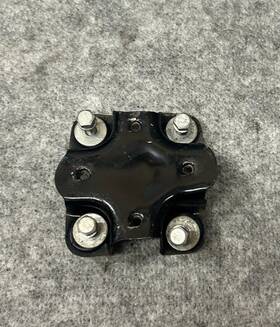
( Manufacturer Part Number: 35012-017 ), ( Mounting Holes: Pre-drilled ), ( Machine Type: Off-road Motorcycle ), ( Items Included: Bolts ), ( Color: Black ), ( Material: Steel ), ( Vintage Part: Yes ), ( Placement On Vehicle: Front ), ( Type: Fender Bracket ), ( Attachment Type: Bolt-on ), ( Finish: Powder-coated ), ( Country Of Origin: Japan )
Review KAWASAKI Front Fender Bracket fits 1973–1975
The **Kawasaki 35012-017 front fender bracket** from the 1973 to 1975 model years of Kawasaki s iconic 750 and 900 series motorcycles is a meticulously crafted component essential for both functionality and aesthetic integrity. Designed to securely mount the front fender assembly, this bracket is forged from high-quality steel, ensuring durability and resistance to the rigors of daily riding, whether on twisty backroads or long-distance cruises. Its robust construction not only prevents fender sag or misalignment but also reinforces the motorcycle s structural integrity, particularly under hard acceleration or aggressive cornering. The bracket features precise machining, including drilled and tapped holes for seamless installation, allowing it to align perfectly with the motorcycle s frame and existing hardware. For enthusiasts seeking to restore or maintain their classic Kawasaki, this part is a direct OEM replacement, guaranteeing an exact fit with the original 1973 1975 models, including the 750-1, 750-2, 900, and 900-2 variants. Beyond its mechanical purpose, the bracket contributes to the motorcycle s timeless aesthetic, complementing the clean, angular lines of Kawasaki s mid- 70s design language. Whether used in a full restoration or as part of a targeted upgrade, this front fender bracket ensures both performance and authenticity, making it a must-have for any Kawasaki collector or rider who values precision engineering.
**Pros and Cons of buying a Kawasaki 35012-017 Front Fender Bracket (1973 1975 Models)**
### **Pros**
1. **Authenticity and Restoration Value** This part is an original or high-quality reproduction designed to match the exact specifications of Kawasaki s 1973 1975 models. For enthusiasts restoring or maintaining period-correct bikes, an OEM or aftermarket part with precise fitment ensures historical accuracy.
2. **Durability and Reliability** Kawasaki s early 1970s fender brackets were built to last, using materials and construction standards that, while not as advanced as modern components, were robust for their time. A well-made reproduction will retain this durability, reducing the risk of premature failure.
3. **Compatibility with Classic Motorcycles** If you own a 1973 1975 Kawasaki (such as the 350, 400, or 550 models), this bracket is a direct replacement, ensuring proper alignment of fenders, lights, and other front-end components. It avoids the need for modifications or workarounds that might be required with mismatched parts.
4. **Ease of Installation** The bracket is designed to fit standard mounting points on these models, requiring minimal tools and time to install. This makes it a straightforward upgrade or replacement for DIY mechanics.
5. **Aesthetic Continuity** For collectors or riders who prioritize the original look of their bikes, using the correct fender bracket helps preserve the motorcycle s vintage appearance without compromising functionality.
6. **Potential Cost Savings** While not always cheaper than OEM parts, aftermarket reproductions can be more affordable than sourcing an original bracket from a salvage yard or auction. This makes it a practical choice for budget-conscious restorers.
7. **Support for Classic Bike Culture** Purchasing from reputable aftermarket suppliers or restoration-focused businesses helps sustain the market for vintage motorcycle parts, ensuring continued availability for future projects.
---
### **Cons**
1. **Limited Availability and Lead Times** High-quality reproduction parts, especially for niche models like the 1973 1975 Kawasaki, may not be widely stocked. You might need to order from specialty suppliers, which could result in longer shipping times or backorders.
2. **Quality Variability** Not all aftermarket parts are created equal. Lower-quality reproductions might have thin metal, poor welds, or incorrect dimensions, leading to premature rust, misalignment, or even failure. Researching the supplier s reputation is crucial.
3. **Corrosion Risk** Original brackets from this era may have rusted over time, and even new reproductions could corrode if not properly treated (e.g., with anti-rust coatings or regular maintenance). This is a common issue with vintage motorcycle parts.
4. **Price Premium for OEM or High-End Reproductions** While aftermarket parts are often cheaper, some suppliers charge a premium for parts that closely mimic OEM quality. For serious collectors, this cost may be justified, but it could be prohibitive for casual riders.
5. **Compatibility with Modified Bikes** If your motorcycle has been heavily modified (e.g., aftermarket forks, custom fairings, or altered frame geometry), the original fender bracket may not fit perfectly. You might need additional adjustments or a different part entirely.
6. **Difficulty in Verifying Authenticity** If purchasing from an unknown seller, there s a risk of receiving a counterfeit or incorrectly labeled part. Always buy from trusted sources with return policies or warranties.
7. **Maintenance Requirements** Like all vintage components, this bracket will require periodic inspection for rust, loose bolts, or wear. Neglecting maintenance could lead to fender sagging, improper water drainage, or even detachment while riding.
---
### **Conclusion**
The Kawasaki 35012-017 front fender bracket for 1973 1975 models is a valuable part for anyone committed to restoring or maintaining a classic Kawasaki motorcycle. Its primary strengths lie in authenticity, durability, and ease of installation, making it ideal for enthusiasts who prioritize historical accuracy and long-term reliability. However, potential buyers should be aware of challenges such as limited availability, quality variability, and the need for ongoing maintenance to prevent corrosion.
For most riders, the benefits outweigh the drawbacks, especially if sourced from a reputable supplier. The part is a practical choice for those who value their bike s originality and are willing to invest time in proper care. If budget is a concern, it s worth comparing prices from multiple suppliers to ensure you re getting the best value without sacrificing quality.
---
### **Recommendation**
1. **Source from Trusted Suppliers** Purchase from well-reviewed aftermarket brands specializing in classic motorcycle parts (e.g., Cycle Gear, Classic Parts, or eBay sellers with verified feedback). Avoid unknown sellers to avoid counterfeit or low-quality parts.
2. **Check for Rust and Wear** If buying an original bracket, inspect it thoroughly for corrosion or damage. A new reproduction is preferable if you re unsure about the condition of used parts.
3. **Prepare for Maintenance** Treat the bracket with anti-rust coatings (e.g., CRC Rust Treatment) and regularly check bolts and welds. Consider using silicone-based sealants to prevent water buildup behind the fender.
4. **Consider a Full Restoration Kit** If restoring your bike, look for fender bracket kits that include mounting hardware, gaskets, and fenders to ensure everything fits correctly and securely.
5. **Document Your Purchase** Keep receipts and supplier information in case you need to return or replace the part due to defects.
For the average rider or restorer, this part is highly recommended as a reliable and authentic upgrade. The key to a successful purchase lies in careful sourcing and proactive maintenance to ensure it serves your bike for years to come.
Details:
1973-1975 Kawasaki Front Fender Bracket.
part #: 35012017 prices
- $6.49-$14.70
specifications febocy:
- for makes: Kawasaki
- for years: 1973-1975
- mpn: 35012-017
- mounting holes: Pre-drilled
- machine type: Off-road Motorcycle
- items included: Bolts
- color: Black
- material: Steel
- vintage part: Yes
- placement on vehicle: Front
- type: Fender Bracket
- attachment type: Bolt-on
- finish: Powder-coated
- country of origin: Japan
returns febocy:
- time: 30 Days
- policy: Returns Accepted
- paid by: Buyer
payments febocy:
- credit card: Visa
- other
- wallet: Apple-pay
general febocy:
- Motorcycle Scooter Parts Accessories > Body Frame > Fenders
- condition: Used
shipping febocy:
- service: USPS Ground Advantage
- class: Standard
- carrier: USPS
- cost: $8.65
- type: Calculated
- transit: 5-9 Days
offer febocy:
- availability: In Stock
- started: February 2, 2026
- quantity: 1
- sold: 0
- best offers: True
- options: Ship-to-home
seller febocy:
- # reviews: 224
- rating: 100.0%
- city: Pleasant Hill, Oregon
Kawasaki 35012-017 Is Similar To:
- 100100 Unbranded Kawasaki Suzuke Dzr Suzuki Front Fender (43.8% similar) It is true when the phrase said you never know what will find. We love locating fabulous finds through estate sales, storage offers, garage sales and personal ads...(January 28th, 2019)
- 11-5349 Ufo Kawasaki Front Fender Brand New (56.5% similar) The rates listed may be higher or lower than actual cost...(June 25th, 2018)
- 11055-1720 Kawasaki Oem Stock Zx Fender Rear Bracket Flap (49.1% similar) Really clean dealer take off item. Verify before buying. No over sized packages out of the us. No other parts. If for any reason you feel your experience was less than positive or not worthy of five star ratings, please. Please see photos. This is an offer for a great used item as photoed only ...(July 7th, 2018)
- 1402-0253 Baron Gangster Front Fender For Kawasaki Vulcan (41.5% similar) These fenders were inspired by '60S and '70S era muscle cars truly fit the personality of your motorcycle. Brand new baron gangster front fender for kawasaki Vulcan product features: fenders are barons latest exercise in body styling...(October 1st, 2018)
- 14025-1837-h8 Kawasaki Rear Fender Seat Cowl Fairing (39.6% similar) Fits this kawasaki h8 cover,seat,ebony not available the following model's and components:kawasaki motorcycle 1985 ltd shaft - ZN700-A2 seat Kafkaesque ZN1100-B2 1984 ZN700-A1 ZN1100-B1 cover due to nature of used parts their conditions' being so diverse we feel best most efficient way sell an ...(January 18th, 2019)
- 14090-1895 Kawasaki Vulcan Rear Back Wheel Fender Mud Guard Covers (34.8% similar) Removed from: 2001 kawasaki Vulcan 1500 please review all pictures to assess the condition of item...(September 24th, 2018)
- 14091-0253 Kawasaki Vulcan Vn Oem Rear Back Wheel Fender Chrome Spear (33.9% similar) The listed shipping price is a flat rate for lower 48 states only. We started with automobile parts 40 years ago and are shifting gears into motorcycle. Removed from a 2005 kawasaki Vulcan 2000 VN 2000 D ltd with 5,563 miles...(May 9th, 2018)
- 14091-0255 Kawasaki Vulcan Oem Rear Fender Chrome Support Right (37.5% similar) This rear fender support is in very good condition and shows normal signs of wear. We started with automobile parts 40 years ago and are shifting gears into motorcycle. Removed from a 2005 kawasaki Vulcan 2000 VN 2000 D ltd with 5,563 miles...(May 9th, 2018)
- 15804205 Acerbis Front Fender Black Kawasaki Suzuki 886687011672 (35.4% similar) Gov federal and state noise emissions laws regulate modifications that affect from motor vehicles, including motorcycles. USPS shipping service...(June 9th, 2018)
- 15836905 Acerbis Rear Fender Black Kawasaki Suzuki 886687012839 (32.1% similar) USPS shipping service. Gov federal and state noise emissions laws regulate modifications that affect from motor vehicles, including motorcycles...(April 11th, 2018)