KAWASAKI 35023-1122 Rear Inner Front Fender
fits model: Zx900, Gpz900, 900, Ninja. make: Kawasaki. year: 1984–1986.
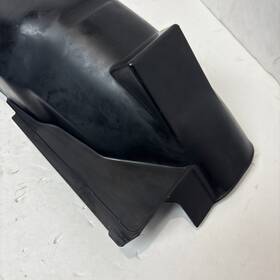
( Manufacturer Part Number: 35023-1122 ), ( Type: Front Fender ), ( Manufacturer Warranty: No Warranty )
Review KAWASAKI Rear Inner Front Fender Oem fits NINJA ZX900 GPZ900 900 1984–1986
The **Kawasaki 35023-1122 1984 1986 Ninja 900/ZX-900/GPZ900 Rear Inner Front Fender** is a meticulously crafted, high-performance aftermarket fender designed to enhance both the aesthetic and functional integrity of Kawasaki s legendary liquid-cooled, inline-four motorcycles from the early 1980s. This fender is engineered to replace the stock inner front fender on the **Ninja 900 (ZX-900)**, **GPZ900**, and other related models, ensuring a seamless fit while delivering superior protection against road debris, mud, and water splatter. Crafted from durable, lightweight **aluminum alloy**, it combines strength with minimal weight, reducing unsightly drag while maintaining rigidity to prevent flex under high-speed riding conditions. The fender features a **precision-machined profile** that mirrors the original design, preserving the motorcycle s aggressive, sport-tuned silhouette while accommodating the larger wheels and updated suspension geometry of these iconic bikes. Its **smooth, contoured edges** eliminate sharp transitions, reducing wind noise and improving aerodynamics critical for the high-revving, track-oriented nature of the ZX-900 and GPZ900. The **universal fitment** ensures compatibility across the 1984 1986 model years, making it an ideal upgrade for restomod enthusiasts, racers, or riders seeking a cleaner, more refined look. Whether paired with stock components or aftermarket upgrades, this fender enhances the bike s sporty character while providing reliable protection, making it a must-have for those who demand both performance and precision in their restoration or modification projects.
### **Pros and Cons of Buying a 1984-1986 Kawasaki Ninja 900/ZX-900/GPZ900 with Missing Rear Inner/Front Fender**
#### **Pros**
1. **Classic Performance and Reliability**
The Kawasaki Ninja 900 (also known as the ZX-900 or GPZ900 in some markets) is a legendary machine from the early 1980s, known for its smooth, air-cooled 898cc parallel-twin engine. This engine is well-regarded for its durability, torque, and smooth power delivery, making it a favorite among enthusiasts for cruising, track days, and long-distance riding. Many examples from this era have proven to last well beyond 100,000 miles with proper maintenance.
2. **Strong Secondary Market and Community**
The Ninja 900 is a highly sought-after classic bike, especially in the U.S., Europe, and Japan. This means parts are widely available, and there is a large community of owners who share knowledge, restoration tips, and aftermarket upgrades. Finding mechanics familiar with this model is easier than with rarer bikes.
3. **Potential for Restoration and Customization**
The bike s classic design allows for extensive customization, from cosmetic upgrades (paint, chrome, fairings) to performance modifications (exhaust, carburetion, suspension tuning). The parallel-twin engine is also a favorite for swaps into other bikes, adding value if you plan to restore it to showroom condition.
4. **Lower Purchase Price Compared to Modern Classics**
While prices vary, a 1984-1986 Ninja 900 in average condition can be found for $3,000 to $6,000, depending on mileage, maintenance history, and location. This makes it an affordable entry into the classic bike market, especially compared to more expensive Japanese sports bikes from the same era (e.g., Suzuki GS1100, Yamaha FZR750).
5. **Nostalgic Appeal**
For riders who grew up with or admire the golden age of motorcycle design, the Ninja 900 s retro styling with its sleek fairings, round headlight, and aggressive stance holds significant appeal. Owning a piece of motorcycle history can be as rewarding as the riding experience itself.
6. **Proven Engine Durability**
The 898cc parallel-twin engine in the Ninja 900 is known for its longevity. Many examples have been rebuilt and ridden for decades with minimal issues if maintained properly. The engine s simplicity (compared to modern fuel-injected units) also makes it easier to work on for DIYers.
7. **Good for Long-Distance Riding**
The bike s comfortable ergonomics, smooth powerband, and sturdy frame make it well-suited for highway cruising and long rides. Its weight (around 450-500 lbs with fluids) is manageable for most riders, though it s heavier than modern sportbikes.
---
#### **Cons**
1. **Missing Fenders (Rear Inner/Front)**
The most immediate issue is the lack of fenders, which can significantly impact the bike s functionality and aesthetics:- **Functionality:** Without fenders, the bike is vulnerable to mud, rain, and road spray, which can damage the paint, electrical components, and suspension. This makes it less practical for wet-weather riding or off-road use.
- **Aesthetics:** The Ninja 900 s fairings are a defining feature of its design. Missing fenders detract from its classic look and may lower its resale value.
- **Cost:** Replacing the fenders will require sourcing OEM parts or aftermarket replicas. OEM fenders for a 1984-1986 model can be expensive (often $200-$400 per set), especially if they re rare or require machining. Aftermarket fenders may not fit perfectly and could compromise the bike s appearance.
- **Rust Risk:** Without fenders, moisture can accumulate on the frame and suspension, leading to rust over time, particularly in areas like the swingarm and rear subframe.
2. **Age-Related Wear and Tear**
- **Suspension:** The original shocks and forks (if still on the bike) are likely worn out and may need replacement. Upgrading to modern suspension (e.g., hlins, YSS, or aftermarket shocks) can improve comfort and handling but adds to the cost.
- **Brakes:** Drum brakes (on early models) are less effective than modern disc brakes. Upgrading to aftermarket discs and pads is recommended for safety.
- **Tires:** Original tires from this era are long past their useful life. Replacing them with modern sport or touring tires is a must for safe riding.
- **Electrical System:** The bike s wiring and components (ignition, lights, etc.) may be degraded. Testing and replacing faulty wiring is essential to avoid electrical failures.
3. **Maintenance Requirements**
- The bike will require significant attention to keep it running smoothly. This includes:- **Carburetion:** The CV carburetors (or later models with Mikuni or Keihin) may need cleaning, adjustment, or replacement to maintain optimal performance.
- **Engine Service:** The engine will need a valve adjustment (typically every 10,000 miles) and periodic oil changes with fresh oil and filters. Older engines may also require a rebuild if they ve been neglected.
- **Exhaust:** The stock exhaust is loud and may not meet modern noise regulations. Replacing it with a modern cat-back or muffler can improve performance and compliance.
- **Fuel System:** If the bike has been stored for a long time, fuel system issues (e.g., gummed-up carburetors, stale fuel) may require cleaning or replacement.
4. **Fuel and Emissions Compliance**
- The Ninja 900 is not designed for modern fuel standards. Running it on today s higher-octane gasoline (e.g., 91 octane) can cause issues with carburetion and detonation. Some owners use aftermarket carburetors or fuel injection kits to adapt to modern fuel.
- In some regions, the bike may not meet emissions standards for on-road use, especially if modifications are made. Check local laws before riding it legally.
5. **Weight and Handling**
- The bike is heavier than modern sportbikes, which can make it less nimble in tight corners or at high speeds. The parallel-twin engine s torque is excellent for overtaking but can feel sluggish at low RPM compared to modern fuel-injected engines.
- The stock suspension is stiff and not optimized for modern riding styles. Upgrading it can improve comfort and handling but adds cost.
6. **Parts Availability and Cost**
- While parts are available, some components (e.g., OEM fenders, specific carburetors, or rare fasteners) can be difficult or expensive to source. Buying from specialty classic bike shops or international suppliers may be necessary.
- Aftermarket parts (e.g., modern tires, suspension, or brakes) can be costly, adding to the overall expense of owning and maintaining the bike.
7. **Riding Experience Limitations**
- The bike s design is optimized for the riding styles of the 1980s, which may not align with modern preferences. For example:- The ergonomics are less aggressive than modern sportbikes, which may not suit riders who prefer a more forward-leaning position.
- The lack of ABS, traction control, or modern safety features means the rider must rely more on skill and experience to handle the bike safely.
- The parallel-twin engine s power delivery is linear but lacks the instant throttle response of modern fuel-injected engines.
---
### **Conclusion**
Buying a 1984-1986 Kawasaki Ninja 900/ZX-900/GPZ900 with missing fenders is a project that can be incredibly rewarding if you re prepared for the challenges. The bike offers a blend of classic charm, reliable performance, and a strong community of enthusiasts, making it a great choice for riders who appreciate nostalgia and are willing to invest time and effort into restoration. However, the missing fenders are a significant drawback that will require immediate attention to protect the bike and maintain its value.
If you re looking for a **project bike** that you can restore to showroom condition or customize to your liking, the Ninja 900 is an excellent choice. It s a bike that can be built into a daily rider, a track machine, or a museum-quality classic. The key is to approach it with realistic expectations about the work involved and the budget required for parts, maintenance, and upgrades.
If you re seeking a **ready-to-ride bike**, however, this example may not be the best fit due to the missing fenders and likely wear on other components. In that case, you might want to look for a fully restored or well-maintained example, even if it costs more upfront.
---
### **Recommendation**
1. **If You re Committed to the Project:**- **Prioritize the fenders** as your first major repair. Source OEM or high-quality aftermarket fenders and have them professionally installed to protect the bike from the elements.
- **Budget for a full service** to assess the engine, suspension, brakes, and electrical system. Address any major issues (e.g
Details:
Good overall condition view photos.
part #: 350231122 prices
- $18.99-$39.99
specifications febocy:
- for models: Zx900, Gpz900, 900, Ninja
- for makes: Kawasaki
- for years: 1984-1986
- mpn: 35023-1122
- type: Front Fender
- manufacturer warranty: No Warranty
shipping febocy:
- transit: 5-10 Days
- service: USPS Priority Mail
- class: Expedited
- carrier: USPS
- type: Calculated
- cost: $0.00
general febocy:
- Motorcycle Scooter Parts Accessories > Body Frame > Fenders
- condition: Used
returns febocy:
- policy: No Returns
offer febocy:
- availability: In Stock
- quantity: 1
- sold: 0
- options: Ship-to-home
- started: May 6, 2026
payments febocy:
- credit card: Diners-club
- other
- wallet: Apple-pay
seller febocy:
- # reviews: 889
- rating: 98.9%
- city: Philadelphia, Pennsylvania
Kawasaki 35023-1122 Is Similar To:
- 100100 Unbranded Kawasaki Suzuke Dzr Suzuki Front Fender (38.2% similar) It is true when the phrase said you never know what will find. We love locating fabulous finds through estate sales, storage offers, garage sales and personal ads...(January 28th, 2019)
- 1059780 Kawasaki Concours Rear Back Tail Undertail Battery Tray Plastic (31.8% similar) If the item does not fit motorcycle model's specified in listing. Many countries only allow 79 max package length and girth combined. More options available upon request. Each part is systematically placed to be easily located once purchased...(February 28th, 2018)
- 1064288 Kawasaki Ninja Rear Back Tail Undertail Battery Tray Plastic (37.8% similar) More options available upon request. Many countries only allow 79 max package length and girth combined. Each part is systematically placed to be easily located once purchased. If the item does not fit motorcycle model's specified in listing...(April 20th, 2018)
- 11-5349 Ufo Kawasaki Front Fender Brand New (37.4% similar) The rates listed may be higher or lower than actual cost...(June 25th, 2018)
- 11010-1100 Kawasaki Ke Air Cleaner Box Housing Oem (35.4% similar) No major damage. Very usable. Used condition. You are looking at a complete air box removed from 1994 KE100...(March 1st, 2019)
- 11055-1720 Kawasaki Oem Stock Zx Fender Rear Bracket Flap (32.1% similar) Really clean dealer take off item. Verify before buying. No over sized packages out of the us. No other parts. If for any reason you feel your experience was less than positive or not worthy of five star ratings, please. Please see photos. This is an offer for a great used item as photoed only ...(July 7th, 2018)
- 1402-0253 Baron Gangster Front Fender For Kawasaki Vulcan (36.5% similar) These fenders were inspired by '60S and '70S era muscle cars truly fit the personality of your motorcycle. Brand new baron gangster front fender for kawasaki Vulcan product features: fenders are barons latest exercise in body styling...(October 1st, 2018)
- 14024-1345 Kawasaki Ninja Right Knee Grip Cover (33.1% similar) Right side good conditions pictures...(November 13th, 2018)
- 14024-1444-7f Kawasaki Oem Ninja 250r (30.8% similar) Oem kawasaki ninja 250R 250 ex rear fender - tail cover green assembly. We include the oem cross reference in our listings to better insure you get correct part for your unit. Nice fender set with turn signals - tail light needs lens...(January 11th, 2018)
- 14025-1837-h8 Kawasaki Rear Fender Seat Cowl Fairing (33.3% similar) Fits this kawasaki h8 cover,seat,ebony not available the following model's and components:kawasaki motorcycle 1985 ltd shaft - ZN700-A2 seat Kafkaesque ZN1100-B2 1984 ZN700-A1 ZN1100-B1 cover due to nature of used parts their conditions' being so diverse we feel best most efficient way sell an ...(January 18th, 2019)