V-TWIN MANUFACTURING 50-0180 Rear Fender Tail Snoot Flathead Valve El
fits year: 1936–1974.
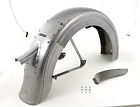
( Brand: V-twin Manufacturing ), ( Manufacturer Part Number: 50-0180 ), ( Placement On Vehicle: Rear ), ( Type: Fender ), ( Fitment: El Ul 1936-1939 )
Review V TWIN MANUFACTURING Rear Fender Tail Snoot Flathead 61 Ohv Side Valve Ul El fits 1936–1974
Introducing the 1936-1939 Rear Fender Tail Snoot Flathead 61 74 Valve EL 50-0180 V-twin, a masterpiece of automotive history and a testament to the era of classic American motorcycles. This exquisite tail piece is a must-have for any enthusiast looking to restore their vintage Harley-Davidson to its original glory.
The Rear Fender Tail Snoot Flathead 61 74 Valve EL 50-0180 V-twin is a meticulously crafted reproduction of the iconic tail fender tailpiece from Harley-Davidson's golden era. Made from top-quality steel, this tailpiece boasts a sleek and streamlined design that is both functional and aesthetically pleasing. The tail snoot is a distinctive feature of this tailpiece, adding a touch of elegance and character to any Harley-Davidson.
The flathead engine 61 74 valve configuration of this tailpiece is a nod to the classic Harley-Davidson V-twin engines of the 1930s. This 61 74 valve configuration provided the power and reliability that made Harley-Davidson motorcycles the envy of the road. The tailpiece is designed to fit securely and seamlessly with this type of engine, ensuring a perfect fit and a seamless look.
The EL 50-0180 V-twin tailpiece is a direct replacement for the original part, making it easy to install. The tailpiece is also available in a range of finishes, including chrome and black, allowing you to choose the one that best fits your bike's color scheme.
In conclusion, the 1936-1939 Rear Fender Tail Snoot Flathead 61 74 Valve EL 50-0180 V-twin is a high-quality reproduction tailpiece that is perfect for anyone looking to restore their vintage Harley-Davidson to its original glory. Whether you're a collector, a restorer, or simply a fan of classic American motorcycles, this tailpiece is a must-have addition to your bike.
Pros of buying a 1936-1939 rear fender tail snoot flathead 61 74 valve EL 50-0180 v-twin:1. Historical value: This motorcycle is a classic, and owning one could be a great way to connect with the history of motorcycling.
2. Unique appearance: The snoot tail design is a distinctive feature that sets this motorcycle apart from others.
3. Reliability: Flathead engines are known for their simple design and durability, making them easy to maintain and repair.
4. Rarity: The EL 50-0180 model is a rare find, which could increase its value over time.
Cons of buying a 1936-1939 rear fender tail snoot flathead 61 74 valve EL 50-0180 v-twin:1. Limited modern amenities: Classic motorcycles like this one may not have modern features like electric starters, ABS, or fuel injection.
2. Limited performance: Flathead engines are not as powerful or fast as more modern engines.
3. Limited comfort: Classic motorcycles generally have fewer comfort features than modern ones, such as adjustable seats, windshields, and heated grips.
4. High maintenance and repair costs: Older motorcycles may require more frequent maintenance and repairs, which can be expensive.
Recommendation:If you are a collector or enthusiast of classic motorcycles, a 1936-1939 rear fender tail snoot flathead 61 74 valve EL 50-0180 v-twin could be a great addition to your collection. However, it is important to keep in mind that this motorcycle may not have modern amenities or performance, and maintenance and repair costs could be high. If you are looking for a daily ride or a high-performance motorcycle, this may not be the best option for you. Instead, consider a more modern motorcycle that offers more features and better performance.
Details:
Alignment will have to be adjusted and tweaked to fit your components. All hinged fenders must be hand fitted at hinge and pin area. Fender rivets, hinge and brackets will have to be tweaked for final fitment.
Patience is required for proper installation. Vt no oem no rigid rear fender and braces with tail snoot.
Before priming or painting, fit the fender body, braces and mounting points in place.
Fender accepts stainless steel trim set.
Before finishing with primer or paint installer must prepare fender by checking alignment of fender tail and bracket.
part #: 500180 prices
- $24.99-$150.00
specifications febocy:
- for years: 1936-1974
- brand: V-twin Manufacturing
- mpn: 50-0180
- placement on vehicle: Rear
- type: Fender
- fitment: El Ul 1936-1939
Payments febocy:
- PayPal
Shipping febocy:
- type: Calculated
- handling: 1 days
Offer febocy:
- # Sold: 0
- # bids: 0
- Started: December 16, 2016, 2:21 pm
- best offer: false
- quantity: 1
Ratings:
- very Happy fast shipping thank you will buy from you again 12-07-16
- Seller. Great to work with. Super fast shipping. 12-13-16
- Perfect service and delivery 12-13-16
- good parts just as described 12-04-16
- Happiness and joy 12-09-16
Seller febocy:
- zipcode: 12550
- city: Newburgh, New York
General febocy:
- in stock: Yes
- Motors > Parts & Accessories > Motorcycle Parts > Body & Frame > Fenders
- condition: New
Returns febocy:
- type: Money Back
- time: 30 Days
- policy: returns accepted
- details: Upon receipt of your order please immediately if you find mistakes, shortages, defects or damage. We will be pleased to assist you. New parts that are unused, not installed, unmodified and in their original packaging may be returned within THIRTY DAYS OF RECEIPT of your order. Refunds will be issued, but we reserve the right to charge a 20% restocking fee for returns if we find any discrepancies in the reason for the return.Damage incurred while your order is in transit is rare, but in the event that this should happen, please save all packing material and immediately for instructions. If your order qualifies for a return, we will provide you with further instructions. We reserve the right to refuse any items sent back to us without notifying us in advance. Once we inspect your return we will issue a refund. Thank You.
- paid by: Buyer
V-twin Manufacturing 50-0180 Is Similar To:
- 090013 V-twin Rigid Rear Fender (68.5% similar) Rigid rear fender assembled,for Harley Davidson motorcycles,by V-twin 100 genuine brand new full manufacturer warranty free shipping within the USA features a cutout for chain relief as on model's and accept stainless trim attached by clips. All hinged fenders must be hand fitted at the hinge and ...(July 8th, 2017)
- 50-0142 V-twin Manufacturing Rigid Rear (76.5% similar) Vt no: corresponding oem rigid rear fender features a cutout for the chain relief as on model's and accept stainless trim attached by clips. Alignment will have to be adjusted and tweaked fit your components. Fender comes with a 7/8 wide bracket and does not have tail lamp hole. Before finishing ...(March 20th, 2017)
- 50-0564 V-twin Manufacturing Rear Fender (90.2% similar) Vt no: rear fender kit includes steel fender, replica chrome struts, license plate bracket, and tail lamp with hardware. Marketing, listing apps, application...(May 1st, 2017)
- 50-0751 V-twin Manufacturing 74 Front Fender (81.4% similar) Fender braces fit on the outside of the offset rockers. Patience is required for proper installation. Fender rivets, hinge and brackets will have to be tweaked for final fitment. Before priming or painting, fit the fender body, braces and mounting points in place. Vt no replica spring fork front ...(December 16th, 2016)
- 50-09077 V-twin Manufacturing New Chrome (73.2% similar) ...(February 7th, 2018)
- 50-0942 V-twin Manufacturing Dresser Type (74.7% similar) Fender is un drilled, constructed of steel with a smooth finish and uses either stock or struts. Fits:custom application. Dresser type rear fender is 5 wide and features a bobbed end. Will mount to Fr, FD and XL model's where a patience is required for proper installation. Installation requires ...(April 19th, 2017)
- 50-1071 V-twin Manufacturing Replica Rear (74.7% similar) V-twin replica rear fender strut set chrome P/N: these struts are new old stock. Free and fixed priced shipping applies to domestic locations only. See photos for further details...(October 22nd, 2017)
- 50-1157 V-twin Manufacturing Front Fender (81.9% similar) Fits:custom application om: 1 - ea. Can be applied with an adhesive strip, which is not included...(November 15th, 2017)
- 50-1517 V-twin Manufacturing Touring Rear (72.3% similar) Fits:flt om: 1 - ea country of origin: imported. Vt no: touring rear fender is wide and constructed of steel. Note: installation requires drilling holes to fit. Blank fender does not include cutout for tail lamp...(June 15th, 2017)
- 50-1528 V-twin Manufacturing Rear Fender (92.7% similar) Fits:XL 2004 -UP rear fender om: 1 - ea. Vt no: plastic rear fender trim insert...(February 14th, 2018)