HARLEY-DAVIDSON 50-0952 Rear Fender Tip
fits make: Harley. year: 1958–1966.
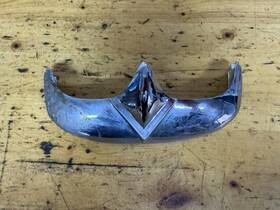
( Brand: Harley-davidson ), ( Manufacturer Part Number: 50-0952 ), ( Type: Motorcycle / Harley-davidson ), ( Material: Chrome )
Review HARLEY DAVIDSON Chrome Rear Fender Tip fits 1958–1966
The **Harley-Davidson 50-0952 Rear Fender Tip (1958 1966)** is a meticulously crafted, period-correct aftermarket component designed to restore or enhance the classic aesthetic of Harley-Davidson motorcycles from the iconic mid-century era. This fender tip, crafted from high-quality, durable materials, replicates the original design with painstaking attention to detail, ensuring an authentic fit for models produced between 1958 and 1966. The piece features a sleek, slightly curved profile that complements the aggressive stance of the bike s rear fender, blending seamlessly with the motorcycle s vintage styling cues. Constructed with precision, the fender tip is designed to withstand the rigors of daily riding while maintaining its polished appearance, whether left in its natural finish or painted to match the bike s color scheme. Ideal for restorers, customizers, and enthusiasts seeking to preserve or elevate the timeless appeal of their Harley-Davidson, this part is a testament to the brand s enduring legacy of craftsmanship and attention to heritage. Whether used as an original replacement or an upgrade for a show bike, the 50-0952 fender tip ensures that every detail contributes to the motorcycle s authentic, vintage charm.
### **Pros and Cons of Buying a Harley-Davidson 50-0952 Rear Fender Tip (1958 1966)**
#### **Pros**
1. **Classic Design and Heritage Value**
The 1958 1966 Harley-Davidson models, particularly those with the 50-0952 rear fender tip, represent a transitional era in Harley-Davidson history. These bikes embody the early days of the "panhead" engine era, blending vintage aesthetics with early performance improvements. For enthusiasts, owning a piece of this era adds sentimental and historical value.
2. **Simpler Mechanics Compared to Later Models**
Early Harley-Davidson models like these are mechanically straightforward compared to modern bikes. The panhead engine, while less efficient than later models, is easier to work on, with fewer electronic components and more accessible parts. This makes repairs and modifications more manageable for those with mechanical skills or access to classic Harley mechanics.
3. **Lower Purchase Price Relative to Later Models**
Due to their age and lower demand compared to more desirable models (such as the 1969 1983 "shovelhead" or 1984 "evo" engines), these bikes are often more affordable to acquire. This makes them a more accessible entry point for collectors or riders looking to own a classic Harley without the high price tag of later models.
4. **Modification Potential**
The 1958 1966 era offers a wide range of aftermarket parts and customization options. From engine swaps (such as installing a shovelhead or later panhead) to frame modifications, these bikes can be transformed into modern cruisers or restored to their original glory. The availability of parts from Harley-Davidson s early years is still robust, though some components may require sourcing from specialty suppliers.
5. **Community and Restoration Appeal**
Owning a bike from this era connects you to a passionate community of restorers and enthusiasts. Many riders enjoy the process of bringing these bikes back to their original condition or modifying them to their liking. The sense of accomplishment from restoring a classic Harley is a significant draw for many buyers.
6. **Unique Sound and Character**
The panhead engine, particularly in its early iterations, has a distinct, throaty growl that many riders find more appealing than the smoother, louder modern Harley sound. The raw mechanical nature of these bikes contributes to a more authentic riding experience for those who prefer a less refined, more traditional approach.
---
#### **Cons**
1. **Reliability and Maintenance Challenges**
While the simplicity of these bikes is an advantage, it also means they are less refined and prone to wear over time. Early Harley-Davidson models, especially those from the late 1950s and early 1960s, may require frequent maintenance to address issues like oil leaks, camshaft wear, or ignition problems. The lack of modern engineering can lead to more frequent breakdowns if the bike is not well-maintained.
2. **Limited Modern Comfort and Safety Features**
These bikes lack many of the safety and comfort features found on modern motorcycles, such as disc brakes (early models often used drum brakes), modern suspension systems, or ergonomic seating. Riding one of these bikes can be less comfortable over long distances, and stopping power may be inadequate compared to contemporary standards.
3. **Fuel Efficiency and Performance Limitations**
The early panhead engine is not fuel-efficient by today s standards, and performance is modest compared to modern Harley-Davidson engines. The 74-cubic-inch engine (common in this era) produces around 46 50 horsepower, which is significantly less than the 100 horsepower found in modern Harley-Davidsons. This limits the bike s suitability for highway cruising or high-speed riding.
4. **Parts Availability and Cost**
While parts for these bikes are still available, some components may be harder to find than on more recent models. Prices for original or reproduction parts can add up quickly, especially if the bike requires extensive restoration. Additionally, labor costs for specialized mechanics may be higher than for modern bikes.
5. **Legal and Registration Issues**
Depending on the region, older motorcycles may face challenges with registration, insurance, or emissions compliance. Some areas have restrictions on pre-1970 motorcycles, requiring additional paperwork or modifications to meet modern safety or environmental standards. Always check local regulations before purchasing.
6. **Resale Value and Market Demand**
While these bikes have niche appeal, their resale value is generally lower than that of more desirable Harley-Davidson models (e.g., 1969 1983 shovelheads or 1984 evo engines). If you plan to sell the bike in the future, you may not recover as much of your investment as you would with a more sought-after model.
7. **Environmental and Noise Regulations**
The raw, unfiltered sound of these bikes may violate noise ordinances in some areas. Many modern cities have strict regulations on motorcycle noise levels, and older models may require muffler modifications or face fines if ridden in urban environments.
---
### **Conclusion**
Buying a Harley-Davidson 50-0952 rear fender tip from the 1958 1966 era is a decision that appeals to those who value history, mechanical simplicity, and the challenge of working with an older machine. These bikes are ideal for collectors, restorers, and riders who prioritize authenticity and the classic Harley experience over modern convenience. However, they come with trade-offs in reliability, performance, and practicality that may not suit everyone.
If you are mechanically inclined, enjoy the process of restoration, and appreciate the unique character of early Harley-Davidsons, this bike could be a rewarding purchase. On the other hand, if you prioritize modern comfort, performance, and low-maintenance ownership, a more recent Harley-Davidson or a different classic model (such as a shovelhead) might be a better fit.
---
### **Recommendation**
- **Buy if:** You are passionate about classic motorcycles, enjoy mechanical work, and want a bike with historical significance. If you plan to restore or modify it, and if you can afford the potential costs of parts and maintenance.
- **Avoid if:** You prioritize modern comfort, fuel efficiency, or ease of use. If you are not prepared for the challenges of maintaining an older bike or if you live in an area with strict noise or emissions regulations.
- **Alternative Consideration:** If you like the era but want a more reliable option, consider a later panhead (1966 1969) or an early shovelhead (1969 1983), which offer better performance and slightly improved reliability while still retaining classic Harley charm.
Details:
Not sure of the maker. Has wear as shown.
part #: 500952 prices
- $22.50-$45.00
specifications febocy:
- for makes: Harley
- for years: 1958-1966
- brand: Harley-davidson
- mpn: 50-0952
- type: Motorcycle / Harley-davidson
- material: Chrome
returns febocy:
- policy: No Returns
shipping febocy:
- type: Calculated
- transit: 3-7 Days
- class: Expedited
- carrier: USPS
- cost: $12.95
- service: USPS Priority Mail Padded Flat Rate Envelope
offer febocy:
- options: Ship-to-home
- quantity: 1
- best offers: True
- started: February 18, 2026
- availability: In Stock
- sold: 0
seller febocy:
- # reviews: 4834
- city: Muskegon, Michigan
- rating: 99.9%
general febocy:
- condition: Used
- Motorcycle Scooter Parts Accessories > Body Frame > Fenders
payments febocy:
- wallet: Apple-pay
- credit card: Visa
- other
Harley-davidson 50-0952 Is Similar To:
- 310096 Vtwin Harley Davidson Aftermarket Flst Chrome Front Fender Mount (48.6% similar) And or ask your local mechanic. Exact year and model are unknown. Harley davidson aftermarket flat chrome front fender mount twin new old stock. Measurements photos etc. This item is a swap meet special sold as...(April 3rd, 2018)
- 58900107eco 58900107eco Harley Davidson Front Fender (36.8% similar) Front fender 58900107ECO color olive gold bought it to replace from my 2016 Softail slims but the damages done was too much and ended up totaling bike a really nice if you want change looks replacing dent. His is your chance...(December 14th, 2017)
- 59085-04bhy 59085-04bhy Harley-davidson Oem Harley Davidson (45.5% similar) As always, bear in mind that used parts are not new. Some are like new, out of the package, used for mock up or have minor scratches, etc. Oem parts are listed as such. Photos are actual item for sale and will fit what we say they will, but as always do your homework, double check that the part bike...(July 7th, 2017)
- Bf6-16 Oldys Custom Composites To Hugger Style Front Harley Bagger Fender (31.5% similar) BF6-16 baggier huger front fender body 6 wide, also wide at the mounting tabs diameter correct for 16 to 19 tire size hand laid fiberglass construction raw white gel coat finish thick with heavy woven fabric used in tab area holes not pre drilled always test fit before painting...(September 24th, 2018)
- Bf6-23 Oldys Custom Composites Hugger Style Front Harley Bagger Fender Free (32.4% similar) ...(July 16th, 2018)
- 00-13 Harley Davidson Oem Road Glide (40.7% similar) Harley oem front road glide fender with no dents. If your bike is this color the paint have a few chips and scratches but could easily be used as...(March 11th, 2017)
- 00023 Tcb Stretched Harley Davidson 23 (27.3% similar) Fits all touring model's 89-13STREET glide road king Electra ultra classic normal prep work is required prior to painting. More durable then abs plastic. Made of fiberglass. AC133834 this fender is designed to look like a stock front but stretched. How SCLNK1 Lt : a : most popular : SW BROWSE2...(February 24th, 2017)
- 000458a Pmbe Harley-davidson 09-13 Harley (40.7% similar) ...(September 13th, 2017)
- 00231 Tcb Harley Davidson 23 Inch (34.3% similar) Come in unfinished black primer. This custom fender is hand laid made from high quality materials to produce a that extremely strong, super durable, and fits great. A: most popular. Please let us know as soon possible by sending a complete of the problem, in order to help process your claim timely ...(February 19th, 2017)
- 0174-1002-b Performance Machine Black Fender Relocation Brackets Wheel Harley Flh (28.8% similar) Performance machine black fender relocation bracket kit includes two brackets does not include hardware for use when running a 21 wheel with stock fits: harley touring FL model's front item fitment: part number: PM0174-1002-B retail: 59...(June 21st, 2018)